What is most important for organizations to focus on when working toward pay transparency?
Pihr is a leading provider of HR technology solutions that help organisations streamline processes, ensure compliance, and promote workplace equality. Its software platform delivers advanced insights into salary data, enabling companies to build transparent and compliant practices. Read more about Pihr Pay Equity software.
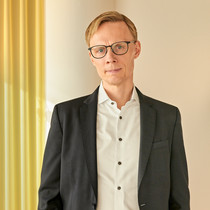
Pihr has asked Partner Michael Møller Nielsen: What is your best advice on how to achieve pay transparency?
"My advice is to treat pay transparency as a strategic change project not just a reporting obligation.
The EU Pay Transparency Directive is ultimately about giving real effect to the principle of equal pay for equal work and work of equal value through objective, gender-neutral criteria such as responsibility, skills, effort, experience and working conditions.
Organizations that succeed start by defining a clear job architecture and robust evaluation framework before they look at numbers. Without this, any later analysis or reporting will be vulnerable both legally and in the court of public opinion.
From there, build a reliable data foundation for pay, so you can confidently meet your obligations on pay reporting, employee information rights and, where necessary, joint pay assessments when unexplained gaps exceed thresholds. Technology can help you detect unjustified pay gaps quickly, model the cost of closing them, and document the decisions you make, which is invaluable if your practices are challenged.
Finally, governance and communication are critical. Clarify who owns which decisions (HR, legal, finance), how employee and candidate requests for information will be handled, and how you will train managers to talk about pay in a consistent, non-discriminatory way.
When employees understand how pay is set and see that discrepancies are being addressed, transparency becomes an asset: it strengthens trust, supports compliance, and enhances your employer brand.
In short: invest early in structure, data and dialogue – so that when transparency arrives, you are ready to stand by your pay decisions."
Related employees

Julie Flindt Rasmussen

Cecilie Brincker Møller

Liw Christensen
